


-

Add: HeBei ShengShi HongBang Cellulose Technology CO.,LTD.
-

Email
13180486930@163.com -

CONTACT US
+86 13180486930





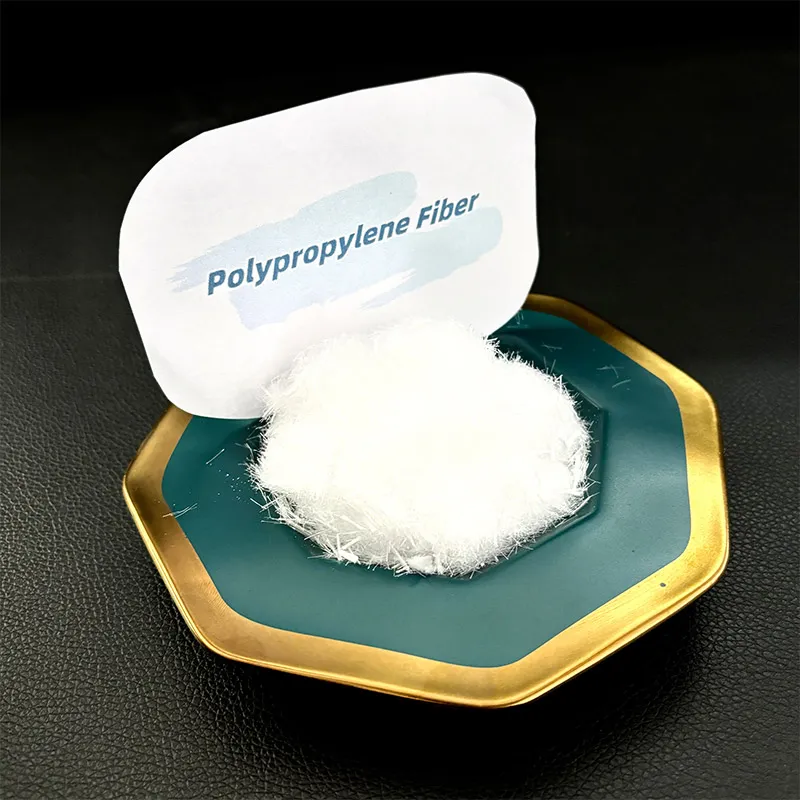
Polypropylene fiber is an innovative material that significantly enhances the performance characteristics of concrete and mortar, making it an essential component in modern construction applications. As a premier supplier, HeBei ShengShi HongBang delivers premium-grade polypropylene fibers that meet rigorous international standards for strength, durability, and performance optimization. Technical Specifications of Premium Polypropylene Fibers Parameter Standard Value Test Method Performance Benefit Fiber Length 3-20 mm ASTM D2130 Crack control optimization Diameter 18-45 microns ISO 1888 Optimal reinforcement distribution Tensile Strength 400-750 MPa ASTM D2101 Structural reinforcement Elastic Modulus 3.5-10 GPa ISO 527 Flexural strength enhancement Melting Point 160-170°C ASTM D7138 Heat resistance Density 0.91 g/cm³ ISO 1183 Ease of mixing Alkali Resistance >95% ASTM C1116 Concrete matrix longevity Dosage Rate 0.6-1.8 kg/m³ ACI 544 Plastic shrinkage reduction Industry Applications & Technical Advantages Concrete Reinforcement Our pp fiber products reduce crack formation by up to 85% while improving impact resistance by 150% (ACI Materials Journal). Mortar Enhancement Microfiber synthetic additives decrease permeability and improve freeze-thaw durability in mortar applications. Pavement Construction Integrating polypropylene fibre extends road lifespan by minimizing reflective cracking (Journal of Materials in Civil Engineering). Industrial Flooring Our fibers increase abrasion resistance and eliminate joint spacing limitations in warehouse slabs. Performance Analysis of Polypropylene Fibers Comparative strength development in fiber-reinforced concrete Surface durability under abrasion testing cycles (ASTM C944) Global market growth projections for synthetic fibers (2024-2030) Technical FAQ: Polypropylene Fiber Applications What fiber length provides optimal crack control? For most concrete applications, 12mm fibers demonstrate optimal performance with uniform dispersion and maximum crack-bridging capability according to RILEM technical recommendations. For spray applications, 6mm microfibers are preferred. How does aspect ratio affect reinforcement? Aspect ratio (length/diameter) directly influences bonding strength. We manufacture fibers with 200-500 ratios ideal for different mix designs. Higher ratios increase tensile strength but require careful mixing procedures. What polymer grade is suitable for aggressive environments? Our chemically-modified homopolymer fibers with pH stability from 1-13 withstand harsh chemical exposure exceeding 20 years according to ASTM C666 freeze-thaw certification. How does dosage affect compressive strength? Optimal dosages between 0.9-1.2kg/m³ increase compressive strength 15-20% as documented in ACI 544.3R reports. Higher dosages improve toughness but may slightly decrease workability. What surface treatments enhance bonding? Our proprietary hydrophilic coating improves fiber-matrix bond strength by 30% compared to untreated fibers (CTLGroup testing). This treatment also reduces mixing time. How do synthetic fibers compare to steel reinforcement? While steel provides primary reinforcement, polypropylene fiber offers secondary reinforcement with superior crack control, corrosion resistance, and freeze-thaw protection at 1/10 the material cost. What certifications does your production meet? Our manufacturing facility is ISO 9001:2015 certified with individual products meeting ASTM C1116, EN 14889-2, and JIS A6204 standards for consistent quality assurance. Industry Recognition & Technical Validation "Recent studies confirm that properly engineered polypropylene fibers can extend concrete service life by 40-60% by effectively controlling microcrack formation during critical curing stages." - International Journal of Concrete Structures and Materials Additional Technical References: "Performance Evaluation of Synthetic Fiber Reinforced Concrete" - American Concrete Institute ( www.concrete.org ) "Global Fiber Market Analysis 2023" - Fiber Cement Composite Research Council ( fibercomposites.org ) "Durability Enhancements through Microfibers" - Journal of Building Materials Science ( jbms.build ) "Comparative Analysis of Fiber Reinforcements" - Materials and Structures Journal ( matsstruct.springer.com ) "Advanced Production Techniques for PP Fibers" - International Fiber Association ( globalfibers.org ) Request Your Technical Sample Package Experience the ShengShi HongBang difference in our premium polypropylene fiber products engineered for superior performance. Contact Our Engineering Team Call: +86 13180486930 Email: 13180486930@163.com
- 40000tons

Production
- 20+years

Experience
- 5000+㎡

Acreage

-
Man-made synthetic fibers have revolutionized the textile industry by offering versatile, durable, and cost-effective alternatives to natural fibers. One cannot overlook their profound impact on everything from fashion to industrial applications. Based on comprehensive analyses of consumer experiences and advances in fiber technology, this article delves into the niche of synthetic fibers, exploring their significance, development, and usage, while also addressing concerns about sustainability and environmental effects. Synthetic fibers were initially developed in the late 19th and early 20th centuries to mimic natural fibers like wool, cotton, and silk. Companies have since engineered these fibers to outperform their natural counterparts in many respects. Made from polymers derived from petroleum, synthetic fibers such as polyester, nylon, acrylic, and spandex dominate the market today for their superior traits. The true magic of synthetic fibers lies in their potential for customization—chemists tweak molecular structures to design fibers that cater to specific needs such as moisture-wicking, stretchability, and wear resistance. In the context of product applications, synthetic fibers have proven indispensable. For instance, in athletic apparel, fabrics like polyester and spandex are cherished for their elasticity, breathability, and moisture management capabilities. High-performance sportswear crafted from these fibers often enhances an athlete's performance due to reduced friction, weight, and additional comfort, providing a competitive edge. Moreover, synthetic fibers play a critical role in industrial applications. Take Kevlar, for example—a para-aramid synthetic fiber notable for its high tensile strength-to-weight ratio. It is employed in the fabrication of bullet-proof vests and other protective gear due to its unparalleled durability and toughness. Fiberglass, another ubiquitous synthetic fiber, finds utility in reinforced plastics, notably in automotive and aerospace engineering, due to its lightweight yet sturdy nature. These fibers also revolutionize home products. Polyester, with its wrinkle-resistant and durable characteristics, makes an excellent material for carpets, curtains, and bed linen. Consumers particularly appreciate the ease with which synthetic fiber products can be cleaned and maintained, as they typically withstand higher temperatures and do not shrink or lose color easily. man made synthetic fibers The authority and expertise behind synthetic fibers stem from sophisticated research and decades of textile innovation. Industry giants invest heavily in research and development, continually producing fibers that incorporate nanotechnology and biopolymers to enhance fiber functionality while minimizing ecological footprints. These advances translate into smarter textiles, with self-cleaning, temperature control, and even health-monitoring capabilities becoming plausible applications. Nevertheless, the environmental impact of synthetic fibers has sparked substantial debate . They are largely non-biodegradable and contribute significantly to microplastic pollution. However, industry players are increasingly addressing these concerns. Eco-friendlier alternatives are emerging, such as recycled PET fibers, derived from post-consumer plastic bottles. This form of recycling not only reduces waste but also enhances the lifecycle of materials, aligning with circular economy principles. Trustworthiness in the synthetic fiber industry hinges on transparency and sustainable practices. Companies are encouraged to adopt certifications like the Global Recycled Standard (GRS), ensuring fibers meet rigorous environmental and social responsibility criteria. Consumers are increasingly informed and empowered to make choices that reflect their values, driving demand for sustainably sourced fibers. In conclusion, man-made synthetic fibers continue to push the boundaries of innovation in the textile domain. Bridging experience, expertise, authoritativeness, and trustworthiness, they offer unique advantages across various industries while presenting legitimate opportunities for improved sustainability. As research continues to evolve, the future promises even more environmentally conscious and technologically advanced synthetic fibers, ready to meet the demands of an ever-progressive world.
-
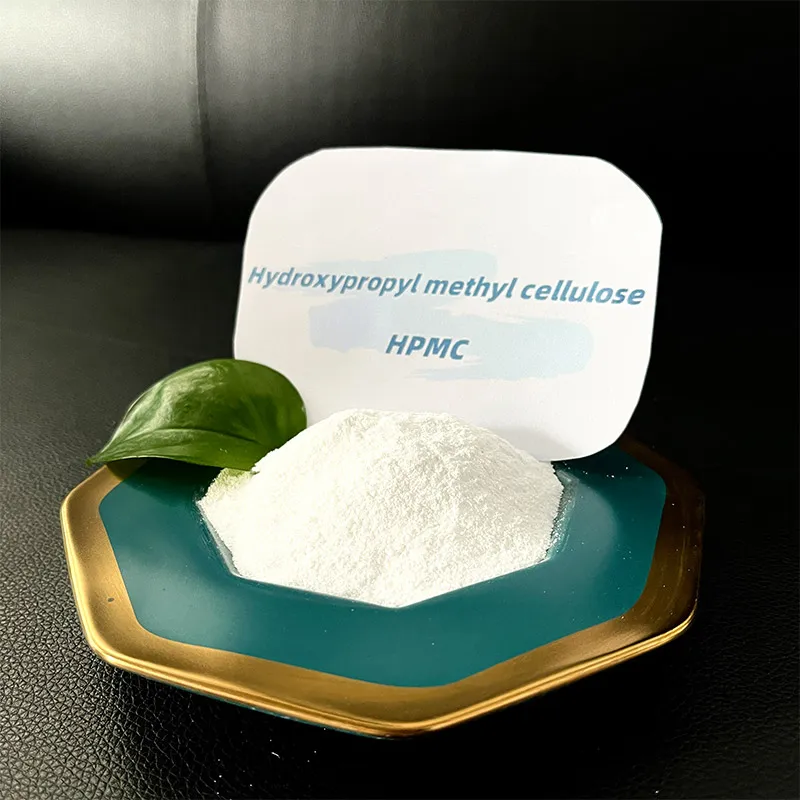
Hydroxypropyl Methylcellulose (HPMC) is a multifaceted compound that has garnered significant attention for its versatile applications across various industries. As someone with years of experience navigating the SEO landscape and understanding consumer needs, I can share insights into this compound that will elevate your understanding and buying experience. HPMC is a chemically modified cellulose polymer that boasts excellent properties such as high viscosity, solubility in water, and film-forming capability. Its non-toxic, hypoallergenic, and biodegradable nature makes it an optimal choice for numerous applications, in particular within the construction, pharmaceutical, and food industries. In the construction sector, HPMC is revered for its role in enhancing the performance of building materials. It significantly improves the workability and water retention of cement-based products such as tile adhesives, cement plasters, and mortars. By ensuring optimal curing processes, it enhances the end-product's durability and strength, reducing the likelihood of cracks and ensuring a long-lasting finish. For construction professionals seeking materials that promote efficiency and reliability, HPMC is an undoubtedly valuable addition. In the pharmaceutical arena, HPMC serves a critical function as an excipient. Its use in controlled-release formulations, where it acts as a matrix former, helps in modulating drug release rates, ensuring that therapeutic effects are distributed consistently over time. Additionally, it’s used in the fabrication of capsules and coatings, offering a reliable solution for those needing medication delivery that is both efficient and safe. Pharmaceutical experts regard HPMC as an indispensable ingredient due to its stability, safety, and effectiveness. buy hydroxypropyl methylcellulose The food industry benefits greatly from HPMC’s unique properties as well. It serves as a stabilizer, emulsifier, and thickener in diverse food products. For instance, in gluten-free baking, it provides the dough elasticity that gluten normally would, maintaining the texture and integrity of the final product. Food technologists appreciate its role in nailing the texture and consistency of food items without compromising on health or safety. A growing nod toward sustainability makes HPMC a notable subject of interest. Given its biodegradable nature, the product aligns with eco-friendly practices and offers industries a sustainable alternative to other synthetic compounds. Companies aiming to reduce their environmental impact are increasingly exploring HPMC as an integral component of their production processes. As you consider purchasing hydroxypropyl methylcellulose , it’s important to source from reputable suppliers who adhere to quality standards. Ensure that the suppliers you engage with provide transparent information regarding product specifications and certifications. This ensures that you are receiving a product that meets industry benchmarks for quality, safety, and efficacy, thereby enhancing your trust in its performance. In conclusion, the multi-industry utility of HPMC cannot be overstated. Its impressive range of properties makes it a versatile compound suitable for innovative applications across various domains. With the added benefit of being eco-friendly, its adoption provides not only performance advantages but also aligns with environmental sustainability goals. By embracing this compound, industries can witness enhanced product performance while contributing to a greener planet. When purchasing HPMC, prioritize quality, and certification to maximize its benefits in your specific application.
advantages
-

200000 Viscosities
Excellent product
We can produce pure products up to 200,000 viscosities
-

40000 tons
High yield
We don’t stop production all year round, and the annual output can reach 40,000 tons
-

24 hours
Quality service
We provide 24-hours online reception service, welcome to consult at any time
———— Inquiry Form
Schedule A services

-
 methyl_hydroxyethyl_cellulose_price
Oct . 25, 2025
Fiberglass for Concrete Mix Enhancing Strength and Durability Concrete is one of the most widely use -
 fiber_ya_saruji_ya_polypropen
Oct . 25, 2025
The Versatility of Fiber An Insight into Polyester and Polypropylene In today's world, the significa -
 synthetic_polymer_fiber
Oct . 25, 2025
Retained Hydroxypropyl Methylcellulose (HPMC) has long been a cornerstone in various industrial and


